The Ori Robotics team
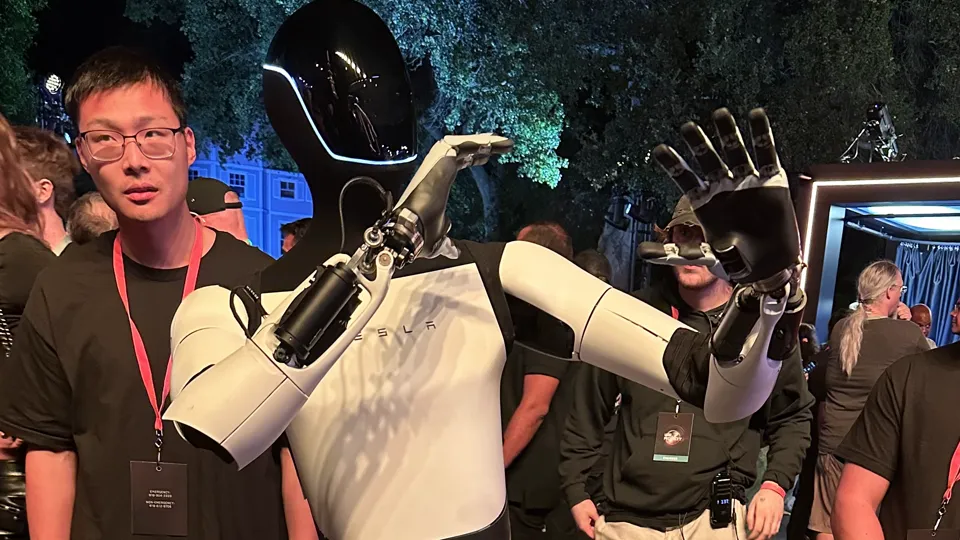
Tesla has started building its robot. Not a prototype, not a demo for a launch event: production units, coming off a factory line.
That was the quiet headline of last week's earnings call, and it is a bigger deal than the car numbers around it.
What did Tesla actually say?
On the 21 October call, Elon Musk said Tesla has "started what I'd call early production on a high-volume line in Fremont". The line sits in space cleared over the summer, where the Model S and Model X used to be built.
Tesla's shareholder deck goes one step further: the bots coming off this line are the first production-quality robots the company has ever made.
The line is the story
The robots themselves are not new. What is new is the capacity. The Fremont line is designed for 20,000 robots a week, which works out to roughly a million a year. A second, bigger robot factory is already under construction in Austin.
Musk was unusually heavy on caveats for this one. The ramp will have a "shallow slope and is somewhat bumpy because it is such a radically new product", there are "like 10,000 things that have to go right", and reaching the full rate "takes us probably at least a year, maybe a little longer".
20,000
Robots a week: the design capacity of Tesla's new Optimus line in Fremont (Q3 2026 earnings call).
A million robots, in context
It took the robotics industry about sixty years to reach five million industrial robots working in the world's factories, by the IFR's latest count.
One Tesla line, if it ever runs at its design rate, would add a million robots a year on its own. Even at a fraction of that, the arithmetic of who works in factories starts to change.
When could you actually get one?
Not soon. Musk expects deliveries to outside customers "towards the end of next year", so late 2027, once the remaining design, reliability and AI problems are solved. Industrial customers come first. Robots in homes come later.
Worth remembering: Tesla timelines are targets, not promises, and this one depends on those 10,000 things going right. The company says a video of the robot doing tasks it was not pre-programmed for is coming within a month or two. We will be watching for it.
Why we are paying attention
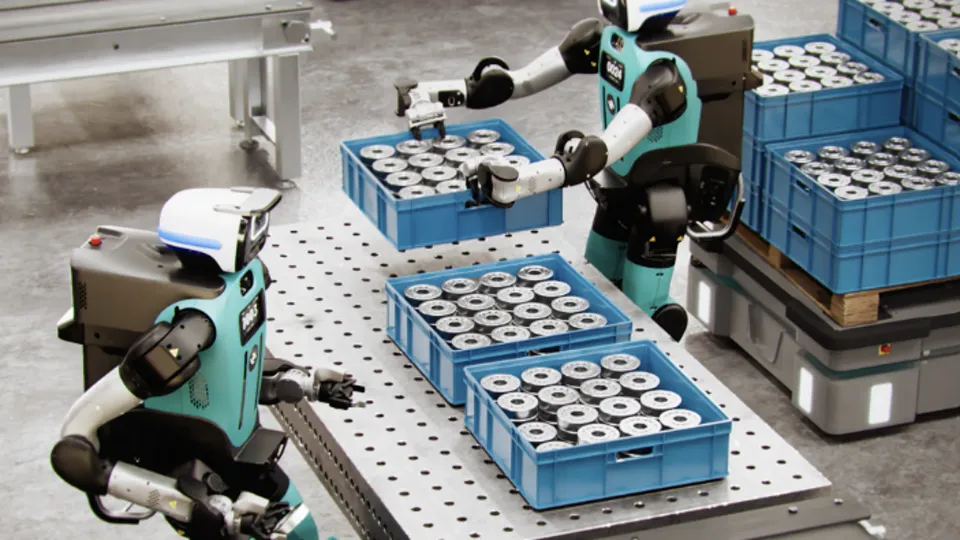
For years the humanoid story was demo videos. This month it is factory capacity and order books: Agility Robotics is heading for the stock market on the back of warehouse contracts, and Tesla is clearing car lines to make room for robot lines.
Machines at that scale need people who understand them. That is the gap we teach for, and it is getting wider by the quarter.